

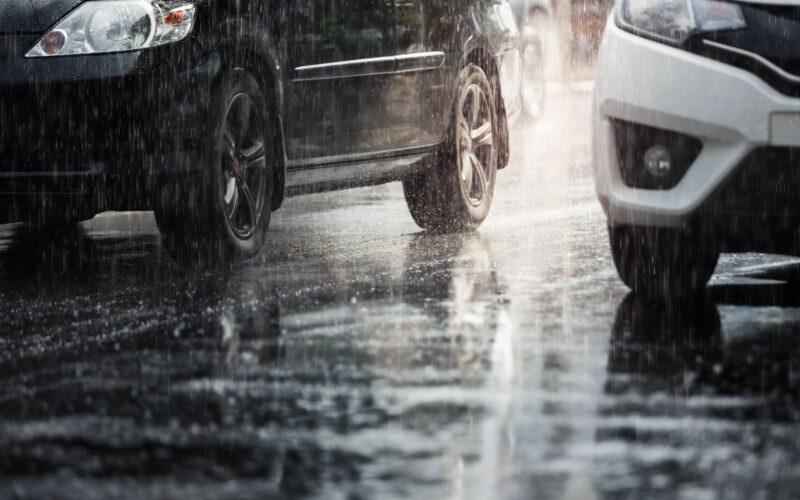
The rainy season brings welcome relief from the heat, but it also creates challenging driving conditions. Wet roads, reduced visibility, hidden potholes, and occasional flooding can make every journey more demanding, even for experienced drivers. If you’re renting a vehicle during this period, taking a few extra precautions can make a significant difference to your safety and overall driving experience.
Whether you’re travelling for business, attending an event, going on a family trip, or simply running errands, understanding how to drive safely in rainy weather is essential. While you cannot control the weather, you can control how prepared you are before getting behind the wheel.
This guide highlights practical rainy season driving tips that every vehicle renter should know to help make each journey safer and more comfortable.
Why Rainy Season Driving Is Different
Driving on dry roads is very different from driving on wet ones. Rain reduces the grip between your tyres and the road surface, meaning your vehicle takes longer to stop and is more likely to skid if you brake suddenly or make sharp turns.
Heavy rain can also affect visibility, making it harder to see road signs, pedestrians, cyclists, and other motorists. In many areas, potholes become hidden beneath puddles, while flash floods may make certain roads unsafe to use.
These conditions don’t mean you should avoid travelling altogether, they simply mean you should adapt your driving habits to suit the weather.
Inspect the Vehicle Before You Leave: One advantage of renting from a reputable company is receiving a vehicle that has been maintained and inspected before every rental. Even so, it’s good practice to carry out your own quick inspection before driving away.: Take a few minutes to check:
- Tyres for good tread depth and proper inflation
- Windscreen wipers to ensure they clear rain effectively
- Headlights, brake lights, and indicators
- Side mirrors for proper adjustment
- Brakes to confirm they respond smoothly
- Windscreen washer fluid
If you notice anything unusual, inform the rental provider before beginning your journey. Addressing small issues early can help prevent bigger problems later.
Plan Your Journey before Setting Out: Rain often increases travel time, particularly in busy cities where traffic becomes heavier during bad weather. Rather than rushing, plan your trip in advance. Before leaving:
- Check the weather forecast.
- Review your intended route.
- Identify alternative roads if flooding occurs.
- Allow extra travel time for delays.
Leaving a little earlier can reduce stress and remove the temptation to speed in difficult conditions.
Slow Down and Drive Smoothly: One of the simplest ways to stay safe during the rainy season is to reduce your speed.
Wet roads provide less traction than dry roads, making it easier for tyres to lose contact with the surface. Driving more slowly gives you additional time to react to unexpected situations and reduces the risk of skidding.
Avoid sudden acceleration or harsh braking whenever possible. Instead, maintain a steady speed and make gradual adjustments throughout your journey. Remember, arriving a few minutes later is always preferable to taking unnecessary risks.
Keep a Safe Following Distance: When roads are slippery, your vehicle needs more distance to come to a complete stop.
If you normally leave a two or three-second gap between your vehicle and the one ahead, consider increasing that distance during rainy weather.
This extra space provides valuable reaction time if traffic suddenly slows or stops.
Tailgating is risky in any weather, but it becomes especially dangerous on wet roads.
Turn On Your Headlights: Many drivers assume headlights are only necessary at night, but rain can reduce visibility significantly even during daylight hours. Using your headlights helps other road users see you more clearly while also improving your own view of the road.
Avoid using high beams in heavy rain because the light reflects off raindrops and may actually reduce visibility. Low-beam headlights are generally the safest option.
Avoid Sudden Steering or Braking: Sharp steering movements and hard braking increase the likelihood of losing control on wet roads. Instead:
- Brake gently.
- Accelerate gradually.
- Change lanes carefully.
- Take corners more slowly.
Smooth driving not only improves safety but also makes the journey more comfortable for passengers.
Watch Out for Standing Water: Large puddles may look harmless, but they can hide deep potholes or damaged road surfaces. Driving through standing water can:
- Damage tyres and wheels
- Affect steering
- Reduce braking performance
- Splash pedestrians and nearby vehicles
If it’s safe, drive around flooded sections of the road instead of through them.
Never Attempt to Drive through Floodwater: Floodwater is one of the greatest hazards during the rainy season.
Water depth can be difficult to judge, and even shallow flooding may conceal damaged roads or moving currents. Driving through floodwater can also damage a vehicle’s engine, brakes, and electrical systems.
If you are uncertain whether a road is safe, wait until the water subsides or choose an alternative route.
Stay Focused Behind the Wheel: Rain demands your full attention. Avoid distractions such as:
- Using your phone
- Eating while driving
- Adjusting settings unnecessarily
- Taking your eyes off the road
Remain alert for pedestrians, cyclists, and motorcycles, as they can be more difficult to spot in rainy conditions.
Be Prepared for Poor Visibility: Heavy rainfall can sometimes reduce visibility to just a few metres. If this happens:
- Reduce your speed.
- Increase following distance.
- Keep your headlights on.
- Avoid overtaking other vehicles.
If conditions become too severe, pull over safely and wait until visibility improves.
Choose the Right Vehicle for Your Journey: The type of vehicle you rent can also influence your driving experience during the rainy season.
For example:
- SUVs may offer higher ground clearance for certain road conditions.
- Sedans provide excellent comfort for city driving.
- Larger vehicles may be suitable for family or group travel.
Choosing a vehicle that suits your destination, passenger needs, and luggage requirements can contribute to a smoother trip.
Rent From a Trusted Provider: Vehicle condition plays an important role in road safety.
A reputable rental provider maintains its fleet through regular servicing and inspections, helping to ensure vehicles are in good working condition before every rental.
Before booking, don’t hesitate to ask about:
- Vehicle maintenance schedules
- Insurance options
- Roadside assistance
- Emergency support procedures
Knowing this information beforehand can give you greater confidence throughout your rental period. Rainy weather shouldn’t prevent you from travelling, it simply calls for more careful planning and safer driving habits. By slowing down, maintaining a safe following distance, checking your vehicle before setting out, and avoiding flooded roads, you can significantly reduce the risks associated with wet-weather driving.
Every journey is different, but preparation remains the key to a safer experience. Whether you’re travelling for work, attending a special occasion, or heading out on a weekend getaway, taking these simple precautions can help you reach your destination comfortably and confidently.
At Vaste Car Rentals, we understand that reliability matters in every season. That’s why we provide well-maintained vehicles designed to support safe, comfortable, and convenient travel whenever you need them.


Leave a Reply